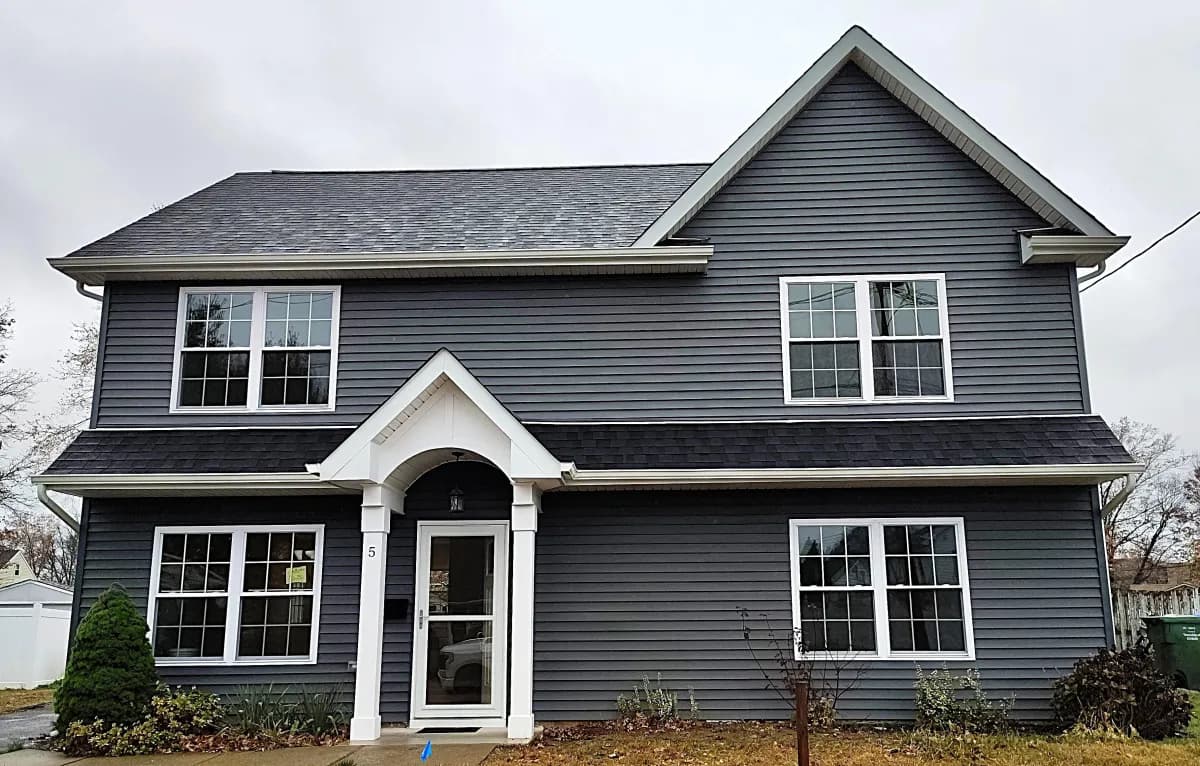
Home Additions in Central New Jersey
MG Builders LLC builds custom home additions for homeowners across Central New Jersey. Room additions, second-story additions, bump-outs, and garage conversions all require careful planning — from architectural coordination and permits through construction and final finishes. Licensed NJ general contractor with 29+ years of experience.
When your family outgrows your home, an addition lets you expand without the cost and disruption of moving. Serving Central New Jersey since 1997, MG Builders handles home additions — from single-room bump-outs to full second-story additions. The entire process includes architectural coordination, engineering, permitting, foundation, framing, roofing, mechanical systems, and all interior finishes. Your home stays your home — just bigger.
What We Offer
First-floor room additions
Second-story additions
Kitchen bump-outs and extensions
Master suite additions
In-law suites and accessory dwelling units
Garage conversions to living space
Sunroom and four-season room additions
Architectural plan coordination
Foundation and structural engineering
Full permit management and municipal inspections
Our Process
Free Consultation
Your property is evaluated, needs are discussed, and feasibility is outlined including zoning and setback requirements.
Design & Engineering
Coordination with architects and engineers creates plans that meet your vision and NJ building codes.
Permits
All applications are submitted and the approval process is managed with your municipality.
Foundation & Framing
Foundation is poured, structure is framed, and the addition is tied into your existing home.
Mechanical & Finishes
Electrical, plumbing, HVAC, insulation, drywall, flooring, paint, and trim.
Final Inspection
Certificate of occupancy obtained, final walkthrough, and 12-month warranty handover.
Why Choose MG Builders
Home additions are the most complex residential construction projects — they require structural engineering, foundation work, roofing tie-ins, and seamless integration with your existing home. MG Builders has the experience and licensing to handle every aspect, with additions built across Central New Jersey. Understanding the local zoning codes, setback requirements, and inspection processes that vary by municipality is essential.
Types of Home Additions in New Jersey
Not every addition is the same — and understanding the options helps you choose the right project for your family's needs and your property's potential. Understanding the options helps homeowners choose the right project for their family's needs and their property's potential.
Room additions are the most common type of home addition. A single-room addition — a family room, master bedroom, or expanded kitchen — extends your existing first floor onto your property. This is typically the most straightforward addition type: new foundation, framing, roofing tie-in, and mechanical connections. Most room additions in Central NJ range from 200 to 600 square feet.
Second-story additions allow you to double your living space without expanding your footprint. This is ideal for homeowners with limited lot space, tight setbacks, or valuable yard they want to preserve. A second-story addition is structurally complex — the existing first-floor walls and foundation must be evaluated to determine if they can support the new load. Structural engineering coordination is essential for every second-story addition project.
Bump-outs are smaller extensions — typically 2 to 10 feet — that expand a specific room without a full addition. A kitchen bump-out can add space for a dining nook or island. A bathroom bump-out can accommodate a double vanity or walk-in shower. Bump-outs are cost-effective because they often don't require a full new foundation, using cantilevered framing or a shallow foundation instead.
In-law suites and ADUs (accessory dwelling units) have become increasingly popular across Central NJ as multi-generational living grows. An in-law suite can be built as a first-floor addition with a private entrance, bedroom, bathroom, and kitchenette. NJ zoning regulations for ADUs vary significantly by municipality — some towns welcome them, others restrict them. Navigating your town's specific rules before committing to this type of project is essential.
NJ zoning considerations affect every addition type. Central New Jersey counties each have municipalities with varying setback requirements, lot coverage maximums, and impervious surface limits. Setbacks typically require the addition to sit 5 to 25 feet from property lines depending on the zone. Lot coverage limits how much of your property can be covered by structures. Setback requirements should be reviewed for the specific property before any design work begins.
The Structural Engineering Behind Home Additions
Home additions are structurally demanding projects that separate qualified general contractors from the rest. Building an addition isn't just framing new walls — it requires a thorough understanding of how the new structure will integrate with and load on the existing home. Structural coordination is a core part of every addition project.
Foundation tying is one of the most critical elements of any addition. The new foundation must be connected to the existing foundation in a way that prevents differential settlement — where the new addition settles at a different rate than the existing home, causing cracking at the connection point. Proper footing depth (below the NJ frost line, which is 36 inches), steel reinforcement, and mechanical connectors are used to create a monolithic connection between new and old. NJ building code requires footings to extend below the frost line, and in Central NJ's soil conditions, this is non-negotiable.
Load-bearing wall identification is essential before any addition construction begins. If the addition requires opening up the existing wall to create flow between old and new spaces, it's essential to identify whether that wall is load-bearing and engineer the appropriate header or beam to carry the load. Licensed NJ structural engineers should review every load path before framing begins.
Roof tie-ins are where additions often go wrong. The new roof must properly intersect with the existing roof — whether through a valley, a hip, or a shed roof extension — with continuous waterproofing, proper flashing, and matched pitch or planned pitch transitions. Poor roof tie-ins are the number one cause of water infiltration in additions. Experience with roofing as a full-service general contractor is essential for detailing these transitions correctly.
NJ code requirements for additions include all the requirements for new construction — insulation values meeting current energy codes, electrical systems meeting current NJ electrical code, egress windows in sleeping rooms, and proper HVAC sizing and distribution. Central NJ homes built before 2000 often have systems that can't simply be extended to serve new space — HVAC upgrades, panel expansions, and plumbing main line assessments are frequently required as part of addition projects.
Zoning and Permits for Home Additions in Central NJ
Zoning and permitting are where many home addition projects stall — or fail. Understanding what's required before you invest in design and engineering can save significant time and money. Navigating the permitting process across Central New Jersey municipalities requires experience and attention to detail.
Setback requirements determine how close your addition can be to property lines. In most Central NJ residential zones, side yard setbacks range from 5 to 15 feet and rear yard setbacks range from 20 to 35 feet. The specific setbacks depend on your zoning district — and different municipalities within the same county can have very different rules. Edison's R-2 zone has different setbacks than Woodbridge's R-3 zone, which differs again from Piscataway's residential zones.
Lot coverage limits cap how much of your property can be covered by impervious structures — typically the house footprint, attached garage, and paved areas. Most Central NJ residential zones limit lot coverage to 30-40% of the lot area. If your property is already near that limit, a first-floor addition may not be zoning-compliant, which is why second-story additions are often the only option on smaller lots.
Impervious coverage limits, which include driveways, patios, and walkways in addition to the building footprint, are a separate — and often stricter — calculation. In municipalities near the Raritan River or within the Coastal Area, NJ DEP regulations layer on top of municipal zoning requirements.
Municipal variation across Central New Jersey is real. Every municipality has its own zoning ordinances and building departments with different processing times. Middlesex County towns like Edison, Woodbridge, South Brunswick, and Piscataway each run their own review process. Monmouth County towns — Manalapan, Marlboro, Old Bridge, and Freehold — have their own set of rules as well. Larger-lot inland townships trend toward bigger lot minimums and longer approval timelines. Your licensed contractor should know what to expect from each building department's review process, typical approval timelines, and inspection schedules. All permit applications and inspections should be handled by a licensed contractor — you shouldn't have to set foot in a building department.
Home Additions Project Tiers — Central New Jersey
Every home additions project is unique. The tiers below show the typical scope and timeline ranges MG Builders sees across Central NJ — every project is custom-priced after a free in-home consultation.
| Project Tier | Scope & Timeline |
|---|---|
| Bump-Out (50-150 sq ft) | Cantilever or shallow-foundation extension of existing room. Common for kitchen or bathroom expansions. 4-8 week timeline. |
| Single-Room Addition | Full foundation, framing, roof tie-in, exterior siding match, electrical, HVAC extension. Examples: family room, sunroom, master bedroom. 3-5 month timeline. |
| Multi-Room Ground Floor | Larger square footage addition with multiple rooms, sometimes including a bathroom. 5-7 month timeline. |
| Second-Story Addition | Full second-floor addition over existing footprint. Requires structural engineering, temporary roof during build. 6-9 month timeline. |
Want a quote for your specific project?
Free in-home consultation. Detailed written estimate within 48 hours.
Frequently Asked Questions
How much does a home addition cost in New Jersey?
Home addition costs in NJ vary significantly based on size, complexity, and structural requirements. Every project is unique, which is why MG Builders provides free, detailed estimates after evaluating your property. Call (732) 636-3000 to schedule a consultation.
How long does it take to build a home addition?
Most home additions take 3-6 months from permit approval through completion. Simple bump-outs can be faster, while second-story additions and complex projects may take 6-9 months.
Do I need to move out during construction?
In most cases, no. MG Builders manages the construction process to minimize disruption to your daily life. Work areas are sealed off, clean pathways are maintained, and noisy work is coordinated during reasonable hours.
Will a home addition increase my property value?
Yes — well-built additions typically return 50-70% of the investment in increased property value, and they allow you to stay in the neighborhood you love instead of paying moving costs and higher prices elsewhere.
What types of home additions does MG Builders build?
MG Builders builds the full range: bump-outs (small extensions of existing rooms, typically 50-150 sq ft), single-room additions (family room, master suite, sunroom), full-story additions (extending the footprint significantly), and second-story additions (going up over an existing one-story home). The right type depends on your lot, home structure, zoning setbacks, and budget.
What is included in a home addition estimate from MG Builders?
A complete addition estimate covers architectural plans, all permits and inspections, foundation work, framing, roofing, siding to match existing, windows, insulation, HVAC extension, electrical, plumbing (if needed), drywall, flooring, paint, trim, and exterior cleanup. Soil testing or structural engineering is itemized separately when required. A 12-month workmanship warranty is included.
How long does the permitting process take for an addition?
NJ permit timelines vary by municipality but typically run 4-12 weeks from application submission. Towns like Edison and Woodbridge tend to move faster; smaller boroughs with limited staff can take longer. MG Builders handles all submissions, addresses zoning office questions, and shepherds the application through to approval — no homeowner trips to town hall required.
What is the difference between a bump-out and a full home addition?
A bump-out extends an existing room outward by 2-6 feet without requiring a new foundation in many cases — kitchen bump-outs and master bath expansions are common. A full home addition requires a new foundation, full roof tie-in, and matching siding/exterior — and is treated structurally as new construction. Bump-outs cost less and complete faster; full additions add more square footage and value.
Home Additions Across Central New Jersey
We provide home additions services throughout Central New Jersey. Click your area to learn more.
Ready to Start Your Home Additions Project?
Call today for a free estimate or visit our showroom at 130 Plainfield Ave, Edison, NJ.